
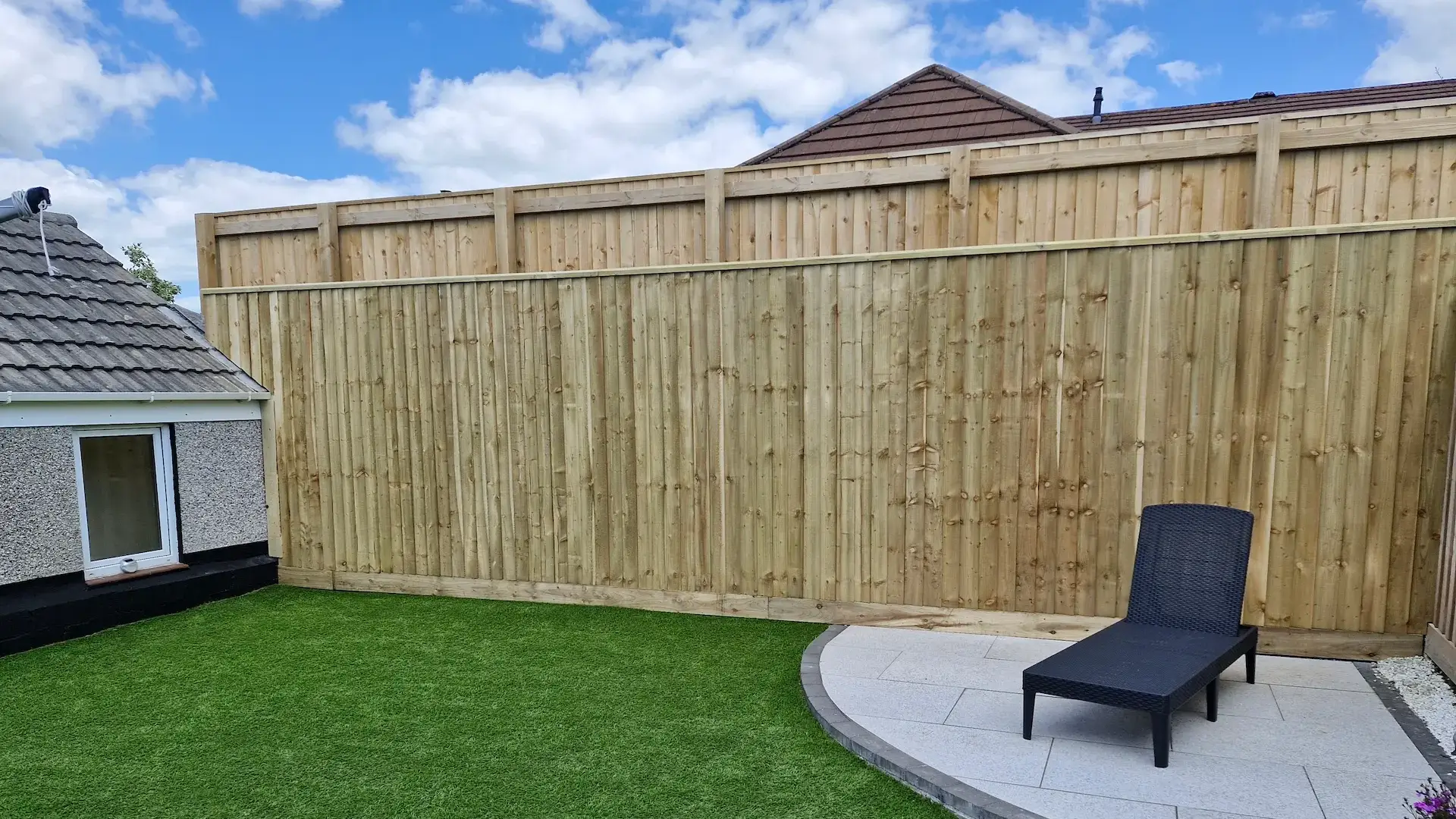
Ask five neighbours what makes a good fence, and you’ll probably get five different answers. One wants total privacy. Another wants something that won’t blow over every winter. Someone else just wants the front garden to look tidy.
The truth is, there’s no single “best” type of fencing. The right choice depends on your garden, how you use it and what you want the fence to do. This guide looks at the most popular options so you can work out which one suits your space.
Start With What You Need Your Fencing To Do
Before looking at styles, think about the job. Are you marking a boundary, keeping pets or children in, blocking out a busy road, or simply improving the view? Most gardens need a mix of these things. However, one priority usually matters more than the rest, and that should guide your decision.
It also helps to think about where the fence will stand. A fence on an open, exposed plot faces very different conditions from one tucked between two houses.
Panel Fencing For Everyday Gardens
Panel fencing is a popular choice for a reason. It’s cost-effective, comes in a range of styles and heights, and goes up quickly. Better still, if a single panel gets damaged, you can swap it out without touching the rest of the run.
Panels sit between UC4 pressure-treated softwood posts, often with concrete or treated gravel boards at the base to keep the timber off damp ground. For many family gardens, that’s all they need. You can find out more on the panel fencing page.
Featheredge & Close Board Fencing For Privacy & Strength
If privacy and strength come first, featheredge or close board fencing is hard to beat. The boards overlap, so there are no gaps to see through, and the structure is sturdy.
This type of fencing uses posts of at least 100 x 100mm, or 125 x 125mm in exposed spots. They’re set at least 600mm deep, or 750mm in windy or soft ground. That extra depth makes a real difference in gardens that take the full force of the weather.
Hit & Miss Fencing For Light & Airflow
Hit and miss fencing has boards fixed on alternate sides of the rails. As a result, you get privacy from most angles, but light and air can still pass through. It also has a clean, modern look.
Because wind passes through the gaps, hit-and-miss fencing can suit breezy gardens well. It’s usually built in treated softwood, while larch or western red cedar give a more premium finish.
Picket Fencing For Front Gardens
Not every boundary needs to be tall. Picket fencing adds charm to front gardens and pathways, and it marks the edge of your property without blocking the view. It’s a friendly option that suits many traditional homes.
Decorative & Bespoke Fencing
Some gardens don’t suit an off-the-shelf panel. Sloped plots, awkward corners and unusual layouts often call for decorative or bespoke timber fencing, built to fit the space. This is also worth considering if you want your fencing to match a new gate. The gates page shows the wooden and metal options available.
Practical Tips Before You Choose Your Fencing
A few simple checks will save you trouble later:
- Check who owns the boundary before you plan any work
- Think about height, and whether the fence will block light to your plants or your neighbour’s garden
- Choose pressure-treated timber for a longer life
- Consider gravel boards to protect the bottom of the fence from damp
- Ask for advice if you’re torn between two styles
If you already have a fence that’s looking tired, you may not need a new one at all. Our guide to # explains how to tell the difference.
Fencing FAQs
What Is The Most Popular Type Of Garden Fencing?
Panel fencing is one of the most popular choices because it’s affordable, quick to install, and easy to replace.
Which Fencing Gives The Most Privacy?
Featheredge and close board fencing give the most privacy, as the overlapping boards leave no gaps.
What Fencing Works Best In Windy Gardens?
Hit-and-miss fencing lets wind through, and deeper posts help any fence stand up to exposed conditions.
How Long Does Timber Fencing Last?
It depends on the timber, the treatment, and the ground conditions. Pressure-treated posts and gravel boards help it last longer.
Can I Match My Fencing To A New Gate?
Yes. Timber gates can be made to measure so they blend in with your fencing.
Choose 1st Class Fencing In Plymouth
Still not sure which style is right for your garden? 1st Class Fencing supplies and installs a wide range of fencing across Plymouth and the surrounding areas, with honest advice and free, no-obligation quotes. Call 07392 987626 today to talk through your options.